
Flutter Entertainment plc (NYSE: FLUT)

Company Overview

Flutter Entertainment, formed from the 2016 Paddy Power-Betfair merger, operates a portfolio of brands including FanDuel (U.S.), Paddy Power and Betfair (UK/Ireland), Sportsbet (Australia), and Sisal (Italy). As of Q3 2025, it serves 14+ million AMPs across 100+ countries, with sports betting (56% of revenue), iGaming (40%), and other (4%). The company listed on NYSE as FLUT in January 2024 (previously FLTR.L on LSE). Market cap: ~$38.4B; Beta: 1.18. 2025 guidance: Revenue $16.69B (+19% YoY), adjusted EBITDA $2.915B (+24% YoY).

The world’s leading online sports betting and iGaming operator, Flutter Entertainment, has demonstrated robust growth in 2025, driven by its dominant U.S. market position via FanDuel plus international expansion.

Through Q3 results, revenue in 2025 has surged 14% YoY, with adjusted EBITDA up 17%, reflecting strong operating leverage and average monthly player (AMP) growth of ~10%.

Earnings Per Share (EPS) remain volatile due to non-cash impairments and regulatory adjustments, posting a TTM loss of ($1.27) per share. Over the past five years (2020-2024), revenue has compounded at ~23% CAGR, outpacing the broader consumer discretionary sector, though profitability has been inconsistent and debt levels high.

Flutter has recorded a -2.38% return on equity (ROE) TTM, with a debt/equity ratio of 1.30 both signals for caution, offset by a durable moat from market leadership (~56% GGR market share) and ~13.9 million AMPs. While FLUT revenue expansion has been impressive a PEG ratio of -4.08 (distorted by expansion driven losses), suggest its a high growth play better suited for growth investors than those looking for more predictable and incremental maturity in earnings.

Recommendation: Hold for growth-focused portfolio with a target price $250 (Dec 26) ~14% up from ~$219.72 closing price Dec 24, 2025. Risks include regulatory headwinds, not least the companies recent foray into Prediction markets & sports results short run especially NFL in Q4 of each season when 192 of the 280 games on the schedule are played October-December, of which just 56 games are prime time stand alone over this 13 week period (Thursday, Sunday, Monday Night Football plus Thanksgiving and Christmas Day games) which handle ~3X an average regular slate game).

2025 Performance by Quarter

Flutter’s 2025 performance reflects U.S. scaling (FanDuel revenue +25% YoY in Q3) and international iGaming momentum, tempered by customer-friendly sports outcomes in Q3/Q4. Key metrics below use reported figures where available; adjusted metrics for EBITDA and EPS highlight operational health.

QRevenue ($B)YoY GrowthAdj. EBITDAYoY GrowthEPSAdj. EPS
Q13.66+8%616+20%1.57~1.59
Q2 4.18+16%919+25%N/A2.95
Q3 3.79+17%~780 (est.)+6%-3.911.64
YTD11.6+14%2,315 (est.)+17%N/AN/A

Key Notes

  • Q1: U.S. revenue +18%; AMPs +8% to 114,880; net income +289% to $335M.
  • Q2: iGaming +42% in U.S.; AMPs +11%; raised FY guidance.
  • Q3: Acquisitions (Snai, Betnacional) add $50M; sports results impact -$170M EBITDA; net loss $789M from impairments.
  • YTD: AMPs +10%; U.S. EBITDA margin +530bps YoY. Q4 est. revenue $5.04B.

Q4 2025 outlook incorporates $260M EBITDA headwind from NFL outcomes but benefits from “FanDuel Predicts” launch (est. $40-50M incremental cost). Overall, 2025 positions Flutter for 20%+ revenue growth, with margins expanding to 17.5%.

Five-Year Performance (2020-2024)

Flutter has transformed from a regional player to global leader, with revenue tripling amid U.S. legalization tailwinds. However, EPS volatility stems from acquisition integrations (e.g., Sisal) and FX impacts. Stock performance lagged broader markets due to 2023 losses but rebounded 50%+ in 2024 on U.S. dominance.

YearRevenue ($ B)YoY GrowthDiluted EPS ( $)YoY ChangeStock Price (Year-End, GBP equiv. for pre-2024)
20206.03+25% (from 2019)N/AN/A~£80 (FLTR.L)
20218.31+38%N/AN/A~£120
20229.46+14%-2.44N/A~£110
202311.79+25%-6.89-182%~£140
202414.05+19%0.24+103%$258 (FLUT)
  • Revenue CAGR (2020-2024): 23.6% (from $6.03B to $14.05B), driven by U.S. entry (FanDuel acquisition 2018, but scaled post-PASPA). Outperforming peers including DraftKings albeit with ~30% CAGR on a smaller base.
  • EPS CAGR: Not meaningful due to negatives; TTM 2024 positive shift signals turnaround.
  • Stock Price CAGR: 2.0-2.25% (end-2020 ~£80 to end-2024 $258, adjusted for ADR conversion ~1:4 ratio), underperforming S&P 500 (~15% CAGR) amid profitability delays but up 8.5% over five years TTM.
  • 2025 YTD stock return: -10.3% (vs. S&P +16.4%), pressured by Q3 impairments but supported by $5B buyback authorization.

What might Warren Buffett say ?

MetricFlutter TTM (2025)Buffett IdealRank (vs. Peers: DraftKings, MGM Resorts)Commentary
ROE-2.38%>15%Low (MGM 5.2%; DraftKings -45%)Negative due to 2023 carryover losses; historical avg. ~8% pre-2023. Improving with EBITDA leverage.
Debt/Equity1.30 (129.78%)<0.5Moderate (MGM 2.1; DraftKings 0.8)$12.87B debt supports growth but leverage ratio 2.4x (target 2.0-2.5x). Free cash flow conversion 177% in 2024 aids deleveraging.
ROIC4.78%>10%ModerateReflects capital-intensive U.S. expansion; moat via 14M AMPs and 14.1% sportsbook margins.
Earnings ConsistencyVolatile (negatives in 2022-23)Steady growthLowAcquisitions drove dips; 2024-25 stabilization via cost controls ($200M+ savings).

Overall Rank: 6/10. Strong moat (U.S. #1 share, proprietary tech) but leverage and ROE lag value ideals. Suited for “wonderful company at fair price” if debt falls to 1.0x by 2027.

What might Peter Lynch say ?

MetricFlutter TTM (2025)Lynch IdealRank (vs. Peers)Commentary
PEG Ratio-4.08<1Neutral (MGM 1.2; DraftKings N/A)Negative EPS skews; forward PEG ~0.8 on 25% est. growth.
Earnings Growth (5-Yr EPS)N/A (volatile)>20%Moderate2024-25 adjusted EPS +300% YoY; revenue proxy 23% CAGR.
P/E (Forward)N/A (negative TTM)< Growth RateHigh (undervalued)Forward P/E ~24x on $9.59 FY25 EPS est.; P/S 2.5x vs. sector 3.5x.

Overall Rank: 7/10. High-growth profile (AMP +10% YoY) aligns with Lynch’s “fast growers,” but volatility suits aggressive investors. Potential 2-3x in 5 years if U.S. TAM ($150B) captured.

Risks and Opportunities

  • Risks: Regulatory (e.g., India impairments, Illinois tax); sports volatility (±$200M EBITDA swing); competition (ESPN Bet).
  • Opportunities: FanDuel Predicts launch (Q4 2025); $5B buyback; international M&A (Snai adds 5% revenue).

Conclusion and Guidance

Flutter’s 2025 trajectory and 5-year growth underscore a compelling growth story in a $100B+ global TAM, but value metrics temper enthusiasm for conservative mandates. For institutional growth allocations (10-15% portfolio), initiate/hold at current levels; monitor Q4 earnings (Feb 2026) for leverage progress. Upside catalysts: 2026 EBITDA $3.5B+ on Predicts ramp. Downside: 10% to $197 if debt rises. This analysis supports a neutral-to-positive stance for diversified firms.
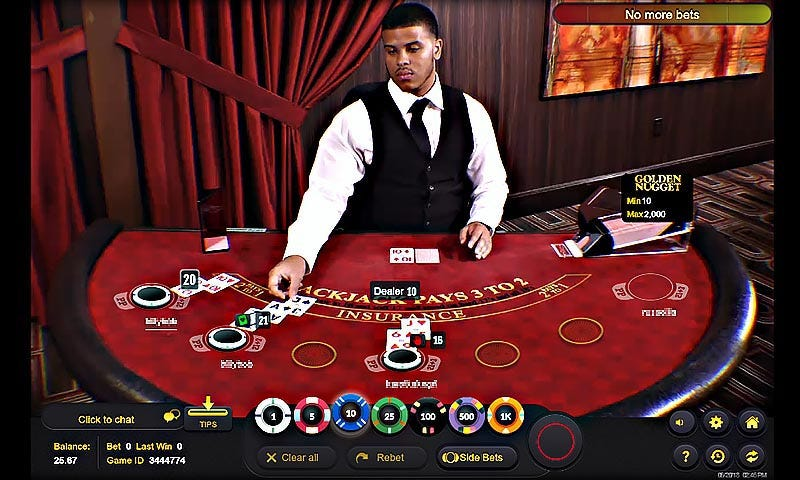
Live Future of iGaming: Rise of Live Dealer and Slots Streaming

Live streaming slots and table games have revolutionized the online casino industry, offering players an immersive and interactive experience right from the comfort of their homes. This innovative approach combines the thrill of traditional casino games with the convenience of online gaming, providing a unique and engaging platform for players worldwide.

The live streaming casino sector is experiencing significant growth, driven by technological advancements and changing consumer preferences. Here’s a look at some of the key players and their performance:  

Evolution Gaming: A significant player with a substantial market capitalization. Consistently demonstrates strong revenue growth, often exceeding industry averages. Wide game portfolio, strong technology, and a global reach.  

Playtech: Another major player with a diverse portfolio beyond live casino, including online poker, sports betting, and more. Revenue growth has been mixed in recent years, with some periods of strong performance followed by periods of slower growth. Established market presence and a broad range of offerings. Playtech has “state-of-the-art” studio space in Europe (Romania, Spain, Latvia), the United States and Latin America (Peru). Making significant investments in technology, product development, an bespoke game presenter training to deliver a diverse experience designed to best serve the local end user supported by fast streaming and up time.

Pragmatic Play: A rapidly growing company with a strong focus on innovation and a diverse product portfolio. Demonstrates impressive revenue growth rates, driven by its expanding game library and global market penetration. Focus on mobile-first gaming, innovative game development, and a strong emphasis on player engagement. Pragmatic features immersive game play with multiple 4K quality cameras, an HTML5 user-friendly interface based on extensive user behavior and UX research, highly localized multilingual experiences with 28 supported languages. Pragmatic holds UK & MGA licenses, as well as certifications for UK, MGA, Italy, Sweden, Denmark, Romania, and Bulgaria.

The live streaming casino sector is becoming increasingly competitive, with new entrants and existing players constantly striving to differentiate themselves.

Customers increasingly seek convenience, variety, and an authentic casino experience. Live streaming slots and table games cater to these demands by offering a wide range of games, real-time interaction with dealers, which can add to the trust, integrity and authencity of the experience when coupled with world renowned brands like MGM and Caesars. The ability to play from anywhere at any time allows players all over the world, the opportunity to enjoy the social aspect of live games, as they can interact with dealers and other players, creating a more engaging and realistic gaming environment.

The increasing demand for immersive gaming experiences, advancements in technology, and the shift towards online platforms have been driving the popularity of live streaming slots and table games. Operators are constantly innovating to meet the evolving needs of players, integrating new features such as live chat, multi-camera views, and special bonuses to enhance the gaming experience further.

Regulatory Landscape: The regulatory environment for online gambling varies significantly across jurisdictions, which can impact the growth and profitability of operators.

Technological Advancements: Continuous advancements in technology, such as artificial intelligence and virtual reality, are likely to shape the future of the live streaming casino industry.

As the demand for live streaming slots and table games continues to grow, we can expect to see more operators entering the market, further enhancing the gaming experience for players. With advancements in technology and increased competition, the future of live online casinos looks promising, offering players a new and exciting way to enjoy their favorite casino games.

Mastering the Odds: Essential Tools and Software Empowering Sportsbook Trading Teams

Sportsbook trading teams rely on a range of tools and software to streamline their operations and facilitate effective decision-making. Here are some common tools and software used by sportsbook trading teams:

Trading Platforms:
Sportsbooks utilize trading platforms specifically designed for the betting industry. These platforms offer comprehensive functionalities for odds compilation, risk management, market monitoring, and trading operations. Examples include OpenBet, Betradar, and Betgenius.

Sports Data Providers:
Sportsbook trading teams rely on reputable sports data providers to access real-time and historical sports data. These providers offer a wide range of data, including team/player statistics, injury reports, weather conditions, and more. Popular sports data providers include Sportradar, Stats Perform, and Betgenius.

Odds Comparison Sites, and In House Market Monitoring and Alert Systems:
To stay informed about market movements and significant events, trading teams utilize market monitoring and alert systems. Trading teams use odds comparison websites to analyze and compare odds from multiple sportsbooks. These platforms allow traders to identify market movements, detect value opportunities, and adjust their odds accordingly. Oddschecker, Unabated, Odds Jam, and traditionally Don Best are commonly used odds comparison websites in the US market.

Statistical Analysis Tools:
Trading teams employ statistical analysis tools to analyze historical data, model outcomes, and identify trends. Tools like Excel, R, Python, or specialized statistical software assist in developing pricing algorithms, assessing probabilities, and optimizing odds.

CRM and Customer Analytics Tools:
Sportsbooks often employ customer relationship management (CRM) and customer analytics tools to gain insights into customer behavior, preferences, and betting patterns. These tools help identify profitable customer segments, tailor marketing campaigns, and enhance the overall customer experience. Trading teams are organized differently within each operator, for some CRM is closely linked to Trading activities, for others, these activities work at arms length.

Compliance and Risk Management Tools:
Trading teams utilize compliance and risk management tools to ensure regulatory compliance and manage risk effectively. These tools assist in monitoring betting patterns, detecting potential fraud or suspicious activities, and maintaining the integrity of the sportsbook.

Communication and Collaboration Tools:
Trading teams rely on communication and collaboration tools to foster efficient teamwork and information sharing. These tools can include instant messaging platforms, project management software, and video conferencing tools, facilitating seamless communication among team members globally dispersed.

It’s important to note that the specific tools and software used may vary depending on the sportsbook’s size, technological infrastructure, and specific requirements. Sportsbooks may utilize a combination of proprietary systems, third-party solutions, and customized tools to meet their trading needs and gain a competitive edge in the market.

Inside the Engine Room: Organizational Structure of Trading Teams in Sportsbooks

Sportsbooks typically organize their trading teams in a hierarchical structure to efficiently manage odds and trading operations. The specific organization may vary depending on the size and complexity of the sportsbook, but here is a general outline of how sportsbooks commonly structure their trading teams:

Vice President of Trading:
At the top of the hierarchy is the Vice President of Trading, who oversees the entire trading function. They are accountable for setting the overall trading strategy, managing risk exposure, and ensuring efficient operations. This role often collaborates with other key stakeholders, such as senior management, data analytics teams, customer services, marketing, and commercial to make informed data driven decisions on behalf of the sportsbook.

Senior Directors of Trading:
Under the Vice President of Trading, there are Senior Directors who can typically either lead specific sports (e.g. Football v Basketball) or channels (e.g. Retail v Online). They possess in-depth knowledge and expertise in their respective areas and are responsible for managing a team of traders with revenue and hold rate targets and incentives.

Senior Traders:
Analyze market trends, adjust odds either directly or indirectly by delegation, and make real time micro level decisions to optimize profitability and effectively manage risk in keeping with policies set by VP and agreed with executive level management teams.

Traders:
Traders form the core of the trading team. They are assigned specific sports or markets for which they are responsible. Traders monitor odds movements, gather and analyze data, and make informed decisions to set and adjust the odds for their assigned events. They collaborate closely with senior traders and utilize various tools, including statistical models and real-time data feeds, to assess market dynamics and make accurate pricing decisions.

Odds Compilers
Odds compilers work closely with the traders to compile and update odds for different sports events. They analyze various factors, such as team/player performance, historical data, injuries, and other relevant information, to determine the probabilities of different outcomes. Odds compilers use this information to set initial odds, which are then adjusted by the traders based on market demand and other factors.

Risk Managers:
Risk managers play a crucial role in monitoring and managing the overall risk exposure of the sportsbook. They assess the potential impact of large wagers or unexpected outcomes and work closely with traders to mitigate risk through position management and hedging strategies. Risk managers also analyze betting patterns and monitor any suspicious or irregular activities to maintain the integrity of the sportsbook.

Trading Support Staff:
Support staff, such as data analysts, statisticians, and software developers, provide essential support to the trading team. They assist in data collection, analysis, and the development of trading tools and algorithms to enhance the efficiency and accuracy of the trading operations. Support teams often also consistent of Operations and Escalations teams or departments who step into action to resolve and mitigate incidents which can impact business continuity including actual or risk of technical or regulatory breach.

    It’s important to note that the size and structure of the trading team can vary depending on the scale and complexity of the sportsbook’s operations. Some sportsbooks may have additional roles or organizational layers based on their specific requirements and market focus.

    Behind the Odds: Sophisticated Trading Teams Powering Sportsbook Operators

    Trading teams play a critical role in the operations of sportsbook operators. Here are more details about their role and responsibilities:

    Odds Compilation and Management
    Trading teams are responsible for compiling and managing the odds for various sports events offered by the sportsbook. They analyze various factors such as team/player performance, historical data, injuries, and other relevant information to determine the probabilities of different outcomes. Using this information, they set initial odds and continuously adjust them to reflect market demand, balance the book, and manage risk.

    Risk Management:
    Managing risk is a key aspect of the trading team’s role. They closely monitor betting patterns, market fluctuations, and significant events, particular outlying exceptions, to assess and mitigate potential for anomalous risks. By analyzing the exposure and potential liabilities associated with different outcomes, the trading team ensures the sportsbook optimizes its performance over time. A common misconception is sportsbooks maintain a “balanced book” and seek to minimize potential losses on any one event. With the economies of scale achieved in the global industry today, this strategy is not only difficult or impossible to achieve, but also would severely hinder the sports books ability to serve customers demand.

    Market Monitoring and Reactivity:
    Trading teams closely monitor the market and react swiftly to changes and developments. They track odds movements across different sportsbooks, assess market sentiment, and adjust their odds accordingly to maintain competitiveness. Timely reactions to line movements, large wagers, and other market factors are crucial to ensuring optimal odds and attracting bettors.

    Data Analysis and Modeling:
    Sportsbook trading teams employ statistical analysts and model developers to analyze historical data, identify trends, and make data-driven decisions. They utilize tools such as Excel, R, or Python to develop pricing algorithms, assess probabilities, and optimize odds. By leveraging data and advanced analytics, the trading team seeks to improve accuracy and profitability. Trading teams more recently have shifted in the direction of being skilled in SQL, Snowflake, Tableau, Power BI and similar as an entry level requirement for the future fit needs of the department.

    Collaboration with Other Departments:
    Trading teams collaborate with various departments within the sportsbook operator. They work closely with the marketing team to align promotions and campaigns with the odds and betting markets. They also collaborate with the technology team to ensure smooth integration of odds into the sportsbook platform and address any technical issues that may arise.

    Market Research and Competitor Analysis:
    Trading teams conduct market research and competitor analysis to stay informed about industry trends, new betting markets, and competitor offerings. They evaluate the odds offered by other sportsbooks, assess market competitiveness, and make strategic decisions to attract and retain customers.

    Compliance and Regulatory Considerations:
    Trading teams work in adherence to regulatory requirements and compliance standards. They ensure that the odds and betting offerings comply with relevant regulations in the jurisdictions where the sportsbook operates. They collaborate with compliance teams to implement necessary measures to detect and prevent fraudulent activities and maintain the integrity of the sportsbook

      Trading teams are at the core of sportsbook operations, playing a vital role in setting odds, managing risk, and ensuring a competitive and engaging betting experience for customers. Their expertise in odds compilation, risk management, data analysis, and market monitoring is crucial for the success of sportsbook operators.

      Experience the Ultimate Betting Privileges: Unveiling the Exclusive VIP Program in Sports Betting

      The specific composition of VIP customers within any one sports betting operation varies significantly depending on several factors, including the size and target market of the sportsbook, the types of betting services offered, and the overall business strategy. It’s important to note, precise information about the percentage of VIP customers in the business mix is typically not publicly disclosed by sports books due to competitive reasons and confidentiality.

      However, VIP customers, often referred to as high-rollers or high-value players, can play a significant role in the success and profitability of a sports betting business. These customers tend to place larger wagers, exhibit higher betting frequency, and likely have access to exclusive perks, incentives, and personalized services from the sportsbook.

      While the exact proportion can vary, VIP customers generally represent a smaller segment of the overall customer base while contributing a significant portion of the total betting volume and revenue. Their larger wagers and higher betting activity can have a substantial impact on the financial performance of the sportsbook.

      Each sports books employs different strategies to attract and retain VIP customers, such as offering special bonuses, dedicated account managers, access to exclusive events, exclusive access to entertainment, hospitality, higher betting limits, and tailored promotions. These efforts are aimed at cultivating long-term relationships and maximizing the value derived from VIP customers.

      Ultimately, the precise percentage of VIP customers within the business mix of a sports betting operation varies widely based on various factors, and it is typically considered proprietary information that is not publicly disclosed.

      Micro Market Revolution: How Granular Betting Options are Transforming the Sports Betting Landscape

      Traditional sports betting markets (Spread, Money Line, Total) are relatively straightforward, widely available across various popular US sports events, offered both pre game and in play.

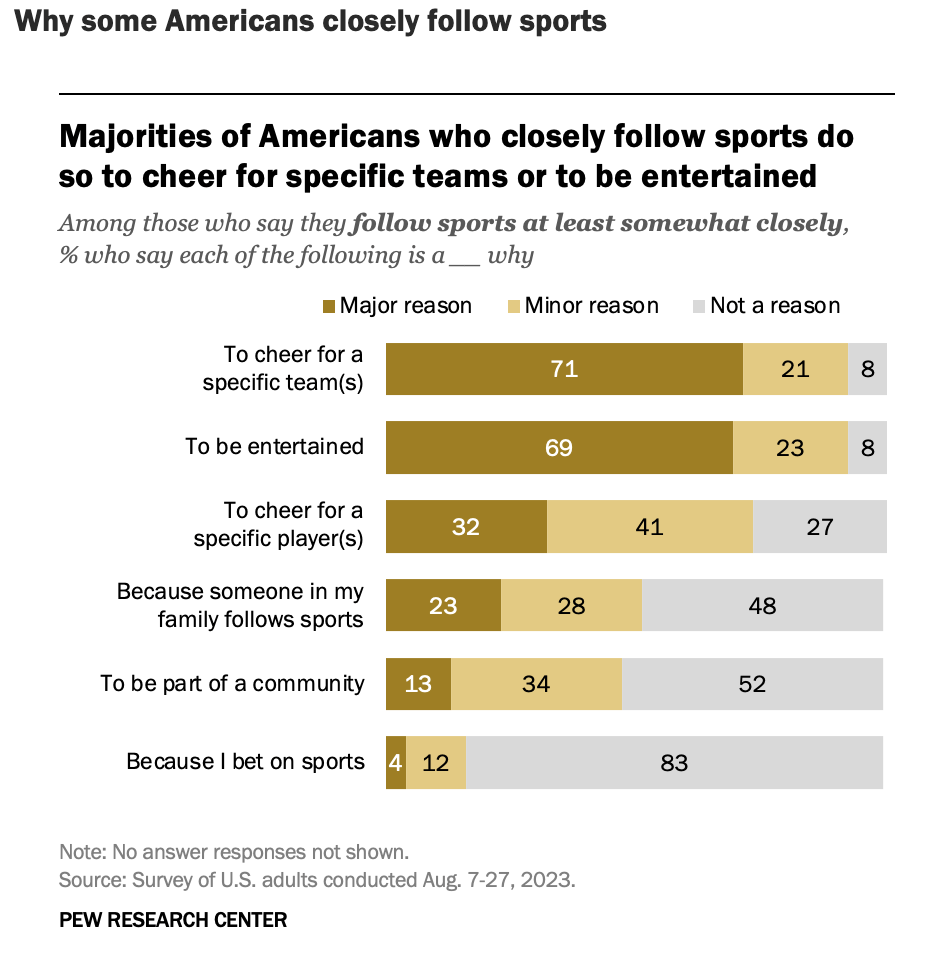
      The “main line” is most commonly discussed in the media, being the one with a 50% chance of happening (or not). These main line options make for less excitement and don’t appeal to the next generation of casual bettors who often want to risk a little to win big, and care decreasingly about following sports.

      Micro markets are transforming sports betting in the United States, offering a more granular and diverse range of betting options. Micro markets refer to highly specific and targeted betting markets that focus on individual events or occurrences within a sports game.

      Here’s how micro markets are making an impact:

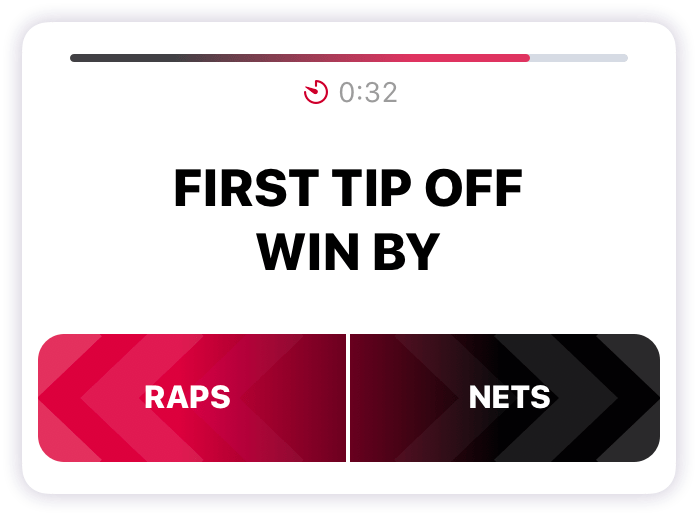
      More Betting Opportunities: Micro markets expand the scope of sports betting by allowing users to wager on specific events or outcomes within a game. Instead of solely betting on the final result, such as the winner or point spread, bettors can now engage in a multitude of micro markets. These markets can include betting on individual player performances, specific plays, penalties, substitutions, or minute-by-minute events. How many dunks in the next X minutes or exact next scoring method and player. This level of granularity provides a wealth of new opportunities for sports bettors to explore and capitalize on.

      Customization and Personalization: Micro markets enable a higher degree of customization and personalization for bettors. They can select from a wide array of micro markets that align with their specific interests and knowledge. For instance, if a bettor is highly knowledgeable about a particular player’s performance or a specific aspect of the game, they can focus their bets on those micro markets. This customization enhances the overall betting experience and allows individuals to leverage their expertise for potentially better outcomes.

      Tailored Engagement: Micro markets provide a more immersive and engaging betting experience. They allow bettors to remain actively involved throughout the entire duration of a game, as they can place bets on various micro events or milestones that occur within the broader game. This heightened engagement keeps bettors invested and interested, even if the outcome of the game itself may seem predictable or one-sided.

      Leveraging Real-Time Data: Micro markets heavily rely on real-time data and statistics. To offer such specific betting options, sportsbooks need access to comprehensive and accurate information about the game as it unfolds. This reliance on real-time data encourages the use of advanced analytics, player tracking technologies, and data feeds, allowing sportsbooks to generate and update micro markets in real-time. This integration of data and technology enhances the accuracy and responsiveness of micro markets.

      In-Game and Live Betting: Micro markets fit with the growing popularity of in-game betting. As sports books offer real-time odds and constantly update micro markets during a game, bettors can actively participate and adjust their wagers based on the evolving dynamics of the match. This dynamic and interactive nature of micro markets complements the in-game betting experience, providing instant gratification and an additional layer of excitement.

        Overall, micro markets are revolutionizing sports betting in the United States by expanding the betting landscape, offering customization and personalization, increasing engagement, leveraging real-time data, and aligning with the trend of in-game and live betting. They provide a more comprehensive and immersive betting experience, catering to the diverse preferences and knowledge of sports bettors.

        Las Vegas: Epicenter of in person Sports Betting in the United States

        Las Vegas holds a unique position in the United States when it comes to sports betting. Nevada has historically had the most permissive gambling laws pre-PASPA, allowing Vegas to establish itself as the epicenter of legal sports betting in the country.

        Expansion of legal sports betting to other states in recent years now affords many, who may have previously traveled to Las Vegas to bet on sports, with options to do so locally. However, Las Vegas continues to hold a special allure and remains an attractive destination for sports bettors due to its unique offerings, entertainment options, and the overall experience it provides. As of May, 2024 according to Legal Sports Report Nevada has amassed $40 billion handle and sits third behind New Jersey ($49b) and New York ($41b) with 6 times fewer state residents.

        During major sporting events, like the Super Bowl, March Madness, or the World Series, Vegas experiences a significant influx of sports bettors from across the United States and internationally. The combination of the city’s vibrant atmosphere, numerous sportsbooks, and the unique opportunity to engage in a wide range of betting options attracts enthusiasts who want to enjoy the excitement sports wagering in a renowned gambling destination.

        Vegas continues its dominance as a destination for sports bettors for its:

        Established Infrastructure

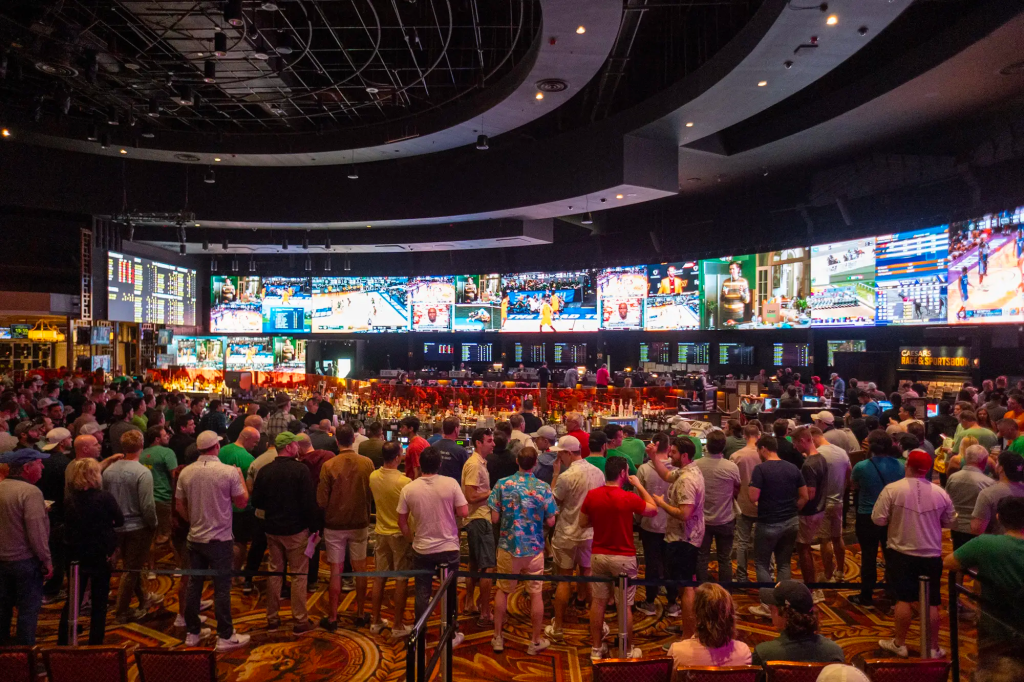
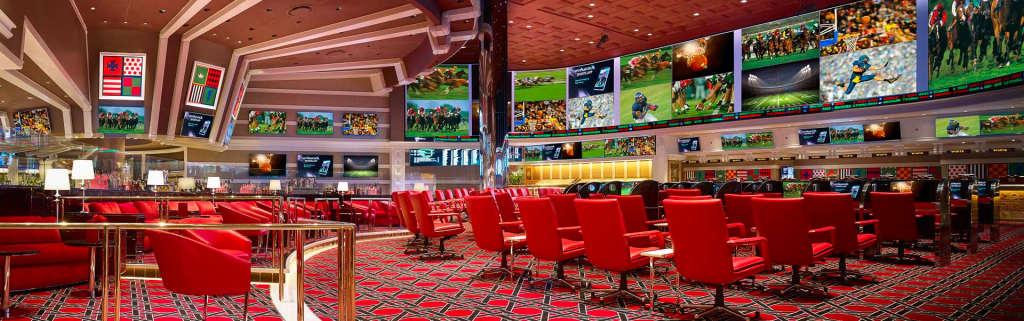
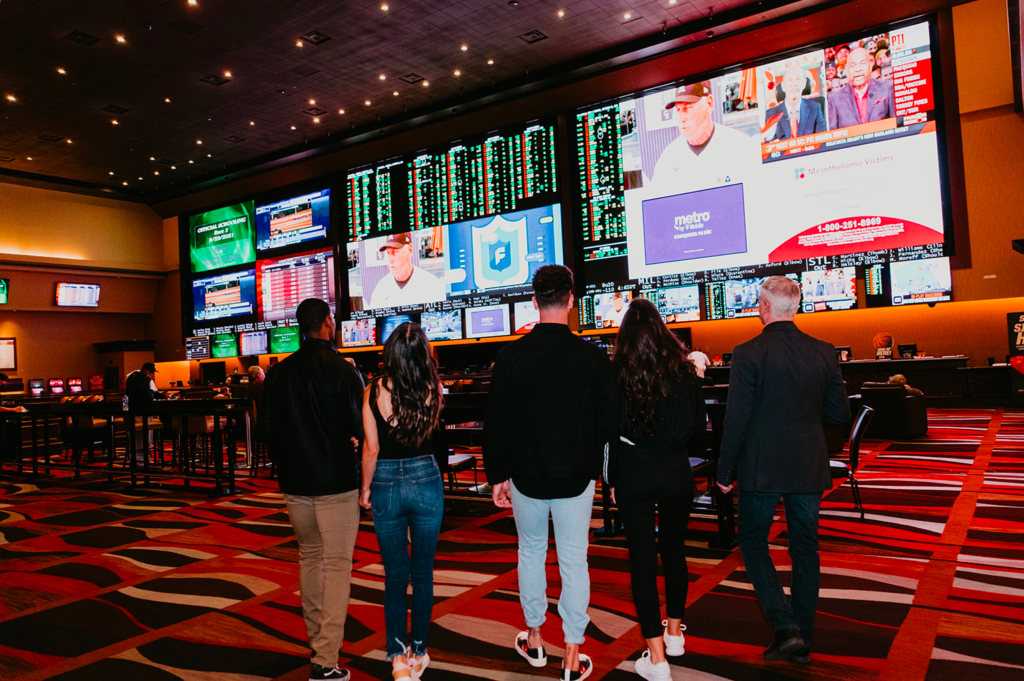
        Las Vegas has a well-developed infrastructure to support sports betting. It is home to many of the best in person venues, both within casinos and standalone establishments. These sports books are equipped with advanced technology, large screens for viewing games, and knowledgeable staff to assist bettors. Each with its own unique features and offerings. Vegas offers a variety of experiences designed to cater to individual tastes and preferences, here are some of the highly regarded sports books in Las Vegas:

        Westgate Las Vegas SuperBook: best known for its immense size and vast betting options, the Westgate SuperBook is a favorite among sports bettors. It offers a massive HD video wall, comfortable seating, and a lively atmosphere. The SuperBook is particularly renowned for its SuperContest, one of the most prestigious NFL handicapping competitions.

        Circa Sportsbook: a prominent sports betting operator in Las Vegas, known for its modern approach, innovative features, and a focus on creating an exceptional sports betting experience. The venue is expansive, featuring a three-story sportsbook with a multi-level stadium-style seating area. It offers a massive high-definition video screen that spans 78 million pixels, creating an immersive viewing experience for sports enthusiasts. The sportsbook also boasts an extensive offering of comfortable seating options, including plush recliners and VIP booths. Circa Sportsbook organizes two popular annual contests: Circa Million and Circa Survivor. Circa Million is a season-long NFL handicapping contest with a multi-million-dollar prize pool, while Circa Survivor challenges participants to pick one winning team each week throughout the NFL season, with a chance to win a significant cash prize.

        Caesars Palace: a popular choice, combining a classic Vegas ambiance with modern amenities. It features a large LED video wall, numerous HD screens, and plush seating. The Caesars Palace sportsbook provides an upscale experience along with a wide range of betting options.

        The Venetian Race & Sportsbook: offers a luxurious setting with a high-end feel. It provides a spacious and comfortable environment, complete with large screens, individual betting stations, and a VIP lounge. The Venetian sportsbook also offers a unique “stadium seating” concept for an enhanced viewing experience.

        MGM Grand Race & Sportsbook: is a popular choice due to its central location on the Las Vegas Strip. It features a state-of-the-art LED video wall, multiple screens, and a variety of seating options. The sportsbook also offers a mobile betting app for convenient wagering.

        Wynn Race & Sportsbook: offers an elegant and upscale setting. It provides comfortable seating, high-definition screens, and a sophisticated atmosphere. The sportsbook is known for its attentive service and a wide range of betting options.

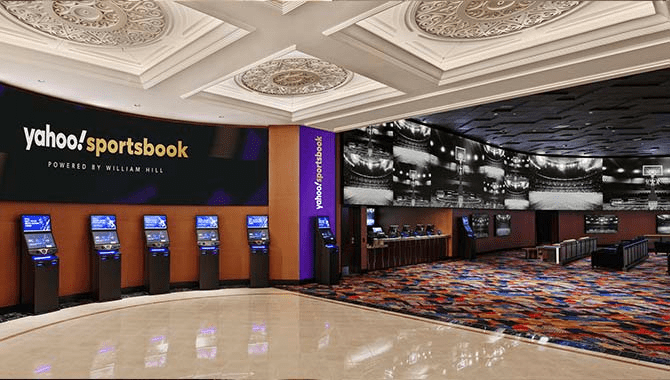
        Red Rock Casino Resort & Spa: Located off the Strip, the Red Rock sportsbook offers a more relaxed and local-friendly environment. It features a large video wall, individual betting kiosks, and a comfortable seating area. The sportsbook also offers a unique “Lucky’s Race & Sports Book” location within the resort.

        Major Sporting Events

        Las Vegas hosts a variety of major sporting events, including professional boxing matches, UFC fights, and NASCAR races. The city is also home to professional sports teams like the Vegas Golden Knights (NHL) and Las Vegas Raiders (NFL). These events and teams contribute to the sports culture of Las Vegas and increase the popularity and accessibility of sports betting in the area. Allegiant Stadium hosted Super Bowl LVIII in Las Vegas on Sunday, February, 2024.

        Casinos, Tourism and Entertainment Synergy

        Las Vegas is renowned for its vibrant casino and entertainment industry. The city attracts millions of tourists each year, many of whom visit specifically for the gambling experience. The presence of world-class casinos and entertainment venues creates a unique atmosphere that enhances the sports betting experience.

        The combination of tourism, entertainment, and sports betting in Las Vegas creates a synergistic effect. Visitors can enjoy various entertainment options, such as shows, concerts, and fine dining, while also engaging in sports betting activities. This unique blend of experiences sets Las Vegas apart from other regions in the United States.
        While the landscape of sports betting is evolving across the country, with more states legalizing and regulating the activity, Las Vegas remains distinct due to its long-standing tradition, established infrastructure, and the overall experience it offers to sports bettors.

        Unlocking the Power of Localization: How US Sports Wagering Operators Tap into Fandom for Regional Success

        To effectively retain customers, wagering operators incorporate localized content and promotions to tap into regional fandom. Operators employ and compete on a wide variety of tactics not limited to the following strategies:

        Regional Promotions: Develop promotions and offers that are tailored to fans from specific regions. This can include special odds or enhanced promotions for local teams or events, exclusive contests or giveaways related to regional sports, or targeted advertising campaigns that resonate with the local culture, team rivalries and traditions.

        Local Team Partnerships: Establish partnerships with local sports teams or leagues to create collaborative marketing campaigns. This can involve joint promotions, cross-promotion of betting services during team events or broadcasts, and sponsorship agreements that enhance brand visibility within the local sports community.
        Customized Betting Markets: Offer localized betting markets that cater to the specific interests of fans from different regions. This can include unique betting options related to local teams, players, or sporting events that are popular in specific areas. For example, incorporating bets on local derby matches or player performance in regional tournaments.

        Regional Content Creation: Produce content that focuses on local sports and teams, providing in-depth analysis, news updates, and feature stories relevant to the specific region. This can involve hiring local sports journalists or influencers to create region-specific content, showcasing local sports culture, and engaging with fans through social media channels.

        Community Engagement: Actively engage with local sports communities by sponsoring local tournaments, organizing fan events, or supporting grassroots initiatives. This helps build trust and loyalty among fans in the region and positions the wagering operator as a supporter of the local sports ecosystem.

        Language Localization: Ensure that the platform, customer support, and promotional materials are available in languages commonly spoken in the targeted region. This helps create a more inclusive and user-friendly experience for fans who prefer to interact in their native language.

        Social Media Localization: Tailor social media content to reflect the interests and preferences of fans from specific regions. This can involve highlighting local sports news, sharing fan-generated content, and engaging in conversations relevant to the regional sports community.


        By implementing these strategies, wagering operators can effectively incorporate localized content and promotions that resonate with fans from specific regions. This approach helps to create a more personalized and engaging experience, building stronger connections with local fan bases and increases the appeal of their offerings.

        Sports betting and media convergence

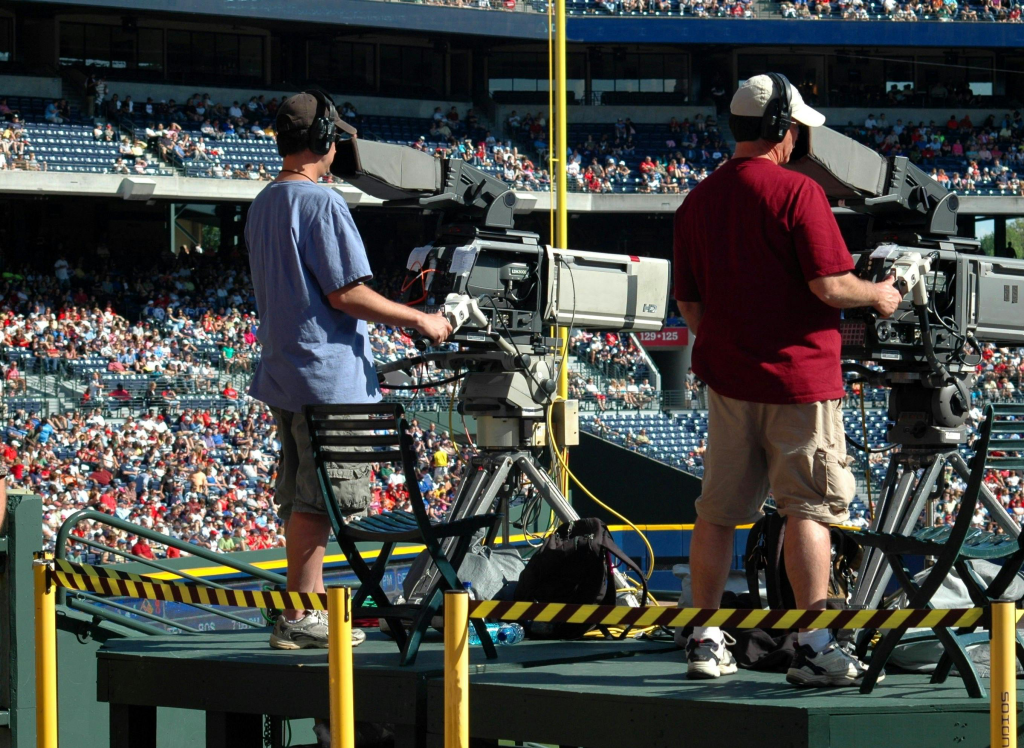
        Indeed, the relationship between online wagering service providers and sports media has traditionally been characterized by a certain level of independence and separation. Online wagering operators have often relied on the content produced by other entities, particularly mainstream television networks that pay significant amounts for live broadcast rights.

        This arrangement has allowed online wagering operators to leverage the existing sports media infrastructure without having to invest heavily in content creation themselves. By utilizing the content produced by others, they have been able to offer their customers a wide range of betting options on various sporting events.

        However, in recent years, there has been a growing discussion and debate surrounding official league data use agreements. These agreements aim to challenge the status quo by establishing partnerships between online wagering operators and sports leagues, allowing operators to access and utilize official league data for their betting services.

        Official league data refers to real-time statistics and information generated during sports events, such as scores, player performance data, and game updates. This data is considered valuable for online wagering operators as it enhances the accuracy and reliability of their odds and betting options.

        By entering into official league data use agreements, online wagering operators can differentiate themselves from their competitors by offering more comprehensive and accurate data to their customers. This, in turn, can lead to increased customer trust and engagement.

        However, these agreements have also sparked debates over issues such as data exclusivity, fairness, and potential monopolistic practices. Some argue that granting exclusive data rights to certain operators could create barriers to entry for smaller operators and limit competition in the market.

        Overall, the relationship between online wagering service providers and sports media is evolving, and official league data use agreements represent one aspect of this changing landscape. As the industry continues to develop, it is likely that we will see further discussions and negotiations between stakeholders to shape the future dynamics of this relationship.